Laser Assisted Hatching in India: Advanced Embryo Support at Delhi IVF and Fertility Research Centre

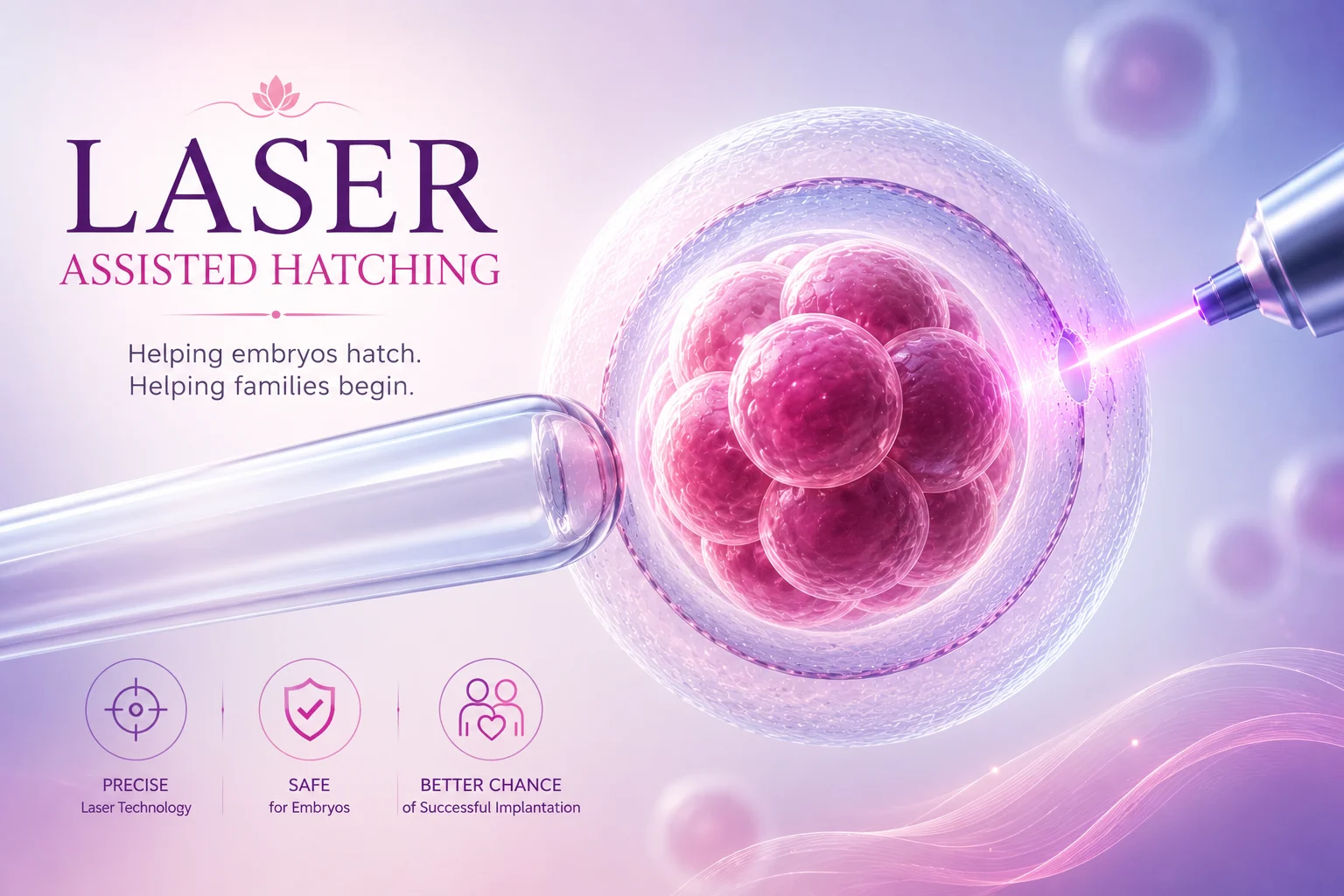
Laser Assisted Hatching is an advanced embryology technique used to help embryos implant more successfully during IVF and ICSI treatment. Some healthy embryos are unable to break through their outer shell, known as the zona pellucida, which prevents them from attaching to the lining of the uterus. By creating a tiny opening in this shell with a highly precise laser, embryologists can improve the embryo’s ability to hatch naturally and begin a pregnancy.

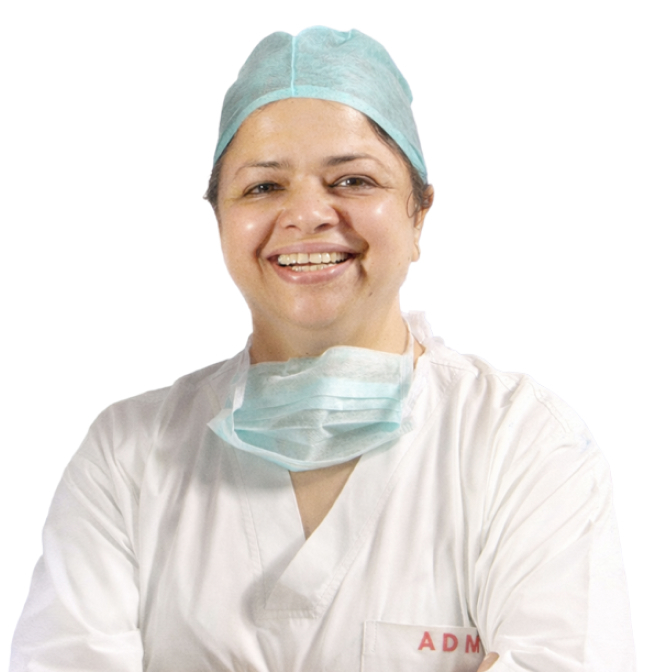
At Delhi IVF and Fertility Research Centre, Laser Assisted Hatching is recommended only when there is a genuine clinical indication, such as repeated IVF failure, advanced maternal age, frozen embryo transfer, or embryos with a thick zona pellucida. Our embryology laboratory is led by Mrs. Alka Gupta, Chief Embryologist with 32 years of experience, ensuring that every procedure is performed with exceptional precision and care.

Since 1993, Delhi IVF has helped thousands of couples achieve parenthood through evidence-based fertility treatments and advanced laboratory techniques. If you are struggling with failed embryo implantation, Laser Assisted Hatching may provide the additional support needed to improve your chances of a successful pregnancy.

CTA Block Background Image - 6a05d9f6ff967f7763857a08

Improve Implantation Chances with Advanced Embryology Support

Could Laser-Assisted Hatching Increase Your IVF Success?

If you have experienced repeated IVF failures, are over 37, or are preparing for a frozen embryo transfer, Laser Assisted Hatching may help your embryo implant more successfully. At Delhi IVF, every embryo is assessed individually by our highly experienced embryology team before this advanced technique is recommended.

Call Now: +91-9810600235

What is Laser Assisted Hatching?

Every embryo is surrounded by a protective outer shell called the zona pellucida. Think of it like the shell of an egg. Before an embryo can implant into the uterine lining and begin a pregnancy, it must break through this shell. This natural process is called hatching.

In some embryos, the zona pellucida is too thick, too hard, or too irregular. The embryo struggles to break free. Even a healthy, good-quality embryo can fail to implant simply because it cannot hatch on its own.

Laser Assisted Hatching removes this obstacle. A highly controlled, fine laser beam is used to create a small, precise opening in the zona pellucida before the embryo is transferred into the uterus. This makes hatching easier and improves the chances of the embryo attaching to the uterine lining successfully.

The procedure is performed in the embryology laboratory by a skilled embryologist. It takes only a few seconds per embryo and does not harm the embryo when done correctly by an experienced team.

Content Block Image - 6a05db9aff967f7763857a77

Who is Laser Assisted Hatching Recommended For?

Laser-assisted hatching is not used for every IVF or ICSI cycle. At Delhi IVF, our embryologists assess each embryo individually and recommend it when there is a specific clinical reason.

Patients Who Benefit Most

Women with Repeated IVF or ICSI Failure: If you have had two or more IVF or ICSI cycles with good quality embryos but no successful implantation, a thick or abnormal zona pellucida may be a contributing factor. Laser-assisted hatching is often recommended in this situation to remove that potential barrier.

Women Over 37: As a woman ages, the zona pellucida of her embryos can become harder and thicker. This makes natural hatching more difficult. For women over 37 undergoing IVF, Laser Assisted Hatching can improve implantation rates and increase the chances of a successful transfer.

Embryos with a Thick Zona Pellucida: During embryo assessment in the laboratory, our embryologists at Delhi IVF measure the thickness of the zona pellucida. If it is thicker than normal, Laser Assisted Hatching is recommended regardless of the patient's age, because the embryo is at a higher risk of failing to hatch on its own.

Poor Quality or Slowly Developing Embryos: Embryos that have developed more slowly than expected or show slightly lower quality grades may benefit from assisted hatching. Giving these embryos a head start can make a meaningful difference to their implantation potential.

Frozen Embryo Transfer (FET) Cycles: The freezing and thawing process can sometimes cause the zona pellucida to harden slightly. For this reason, Laser Assisted Hatching is frequently recommended for frozen embryo transfer cycles to restore the embryo's ability to hatch effectively after thawing.

Elevated FSH Levels: Women with elevated FSH (Follicle Stimulating Hormone) levels often produce embryos with a thicker zona pellucida. Laser-assisted hatching is commonly recommended in these cases to improve the chances of successful implantation.

How Does Laser-Assisted Hatching Work?

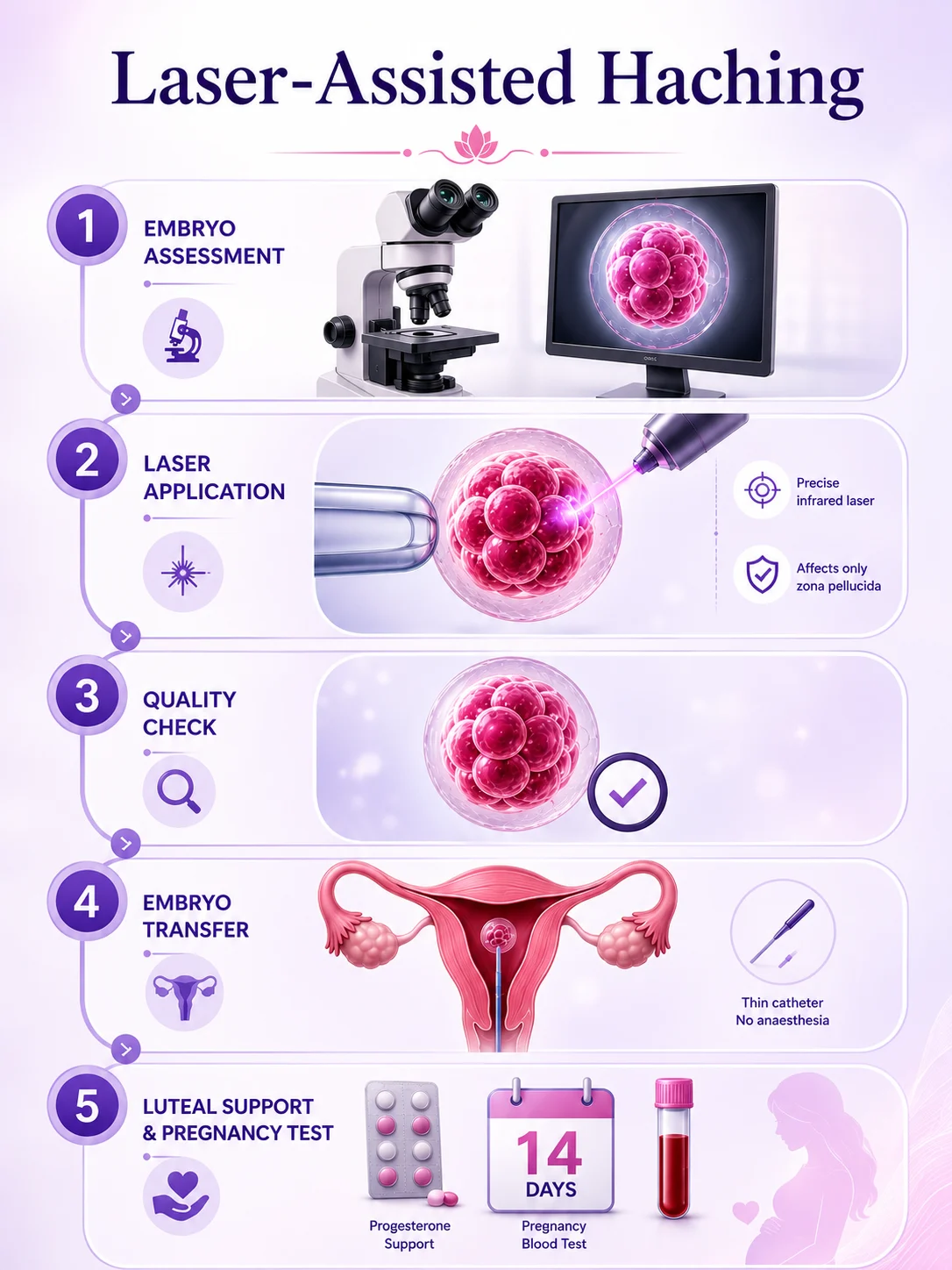
The procedure happens entirely in the embryology laboratory, usually on the morning of the embryo transfer. Here is what the process looks like.

Step 1: Embryo Assessment

On the day of transfer, our embryologist at Delhi IVF examines each embryo under a high-powered microscope. The zona pellucida thickness and overall embryo quality are assessed. The decision to use Laser Assisted Hatching is made based on these findings.

Step 2: Laser Application

The embryo is held steady using a gentle holding device. A specialised infrared laser is focused precisely on a specific point of the zona pellucida. A brief, controlled pulse of laser energy creates a small opening in the shell. The entire process takes just a few seconds per embryo.

The laser used in this procedure is designed to affect only the zona pellucida. It does not penetrate the embryo itself. The cells inside the embryo remain completely undisturbed.

Step 3: Quality Check

After the laser is applied, the embryo is checked immediately to confirm that the opening is clean and the embryo is intact and undamaged. Only then is it prepared for transfer.

Step 4: Embryo Transfer

The embryo is transferred into the uterus in the usual way, through a thin catheter passed gently through the cervix. The transfer process takes around 10 minutes and requires no anaesthesia.

Step 5: Luteal Support and Pregnancy Test

Progesterone support continues as prescribed. The pregnancy blood test is done 14 days after the transfer.

Content Block Image - 6a05de91ff967f7763857b22
CTA Block Background Image - 6a05d9f6ff967f7763857a08

32 Years of Embryology Expertise You Can Trust

Precision Matters When Working with Your Embryos

Laser-assisted hatching requires exceptional laboratory skill and accuracy. Under the guidance of Mrs. Alka Gupta, Chief Embryologist with 32 years of experience, and Dr. Anoop Gupta, IVF Specialist with 34+ years of experience, Delhi IVF offers advanced embryo support trusted by couples from India and 66+ countries.

Speak with Our IVF Experts: +91-9810600235

Does Laser Assisted Hatching Improve IVF Success Rates?

This is the most important question patients ask, and it deserves an honest answer.

Laser-assisted hatching does not improve success rates across all IVF patients universally. The research is clear on this. It is a targeted technique that shows the most benefit in specific groups: women with repeated implantation failure, older patients, and cycles involving frozen embryos or embryos with a thick zona pellucida.

For these groups, studies show that Laser Assisted Hatching can improve clinical pregnancy rates by 10% to 15% compared to unassisted cycles.

At Delhi IVF, we only recommend Laser Assisted Hatching when there is a genuine clinical reason. We do not use it as a routine add-on for every patient, because doing so would not be honest or evidence-based. Our embryology team assesses each embryo carefully and recommends assisted hatching only when the evidence supports it for your specific situation.

Laser Assisted Hatching vs Other Hatching Methods

Assisted hatching is not a new concept. Before laser technology, it was performed using chemicals (acid hatching) or fine mechanical needles (mechanical hatching). Both methods are now largely replaced by laser-assisted techniques because:

  1. Laser is more precise. The opening size is controlled exactly, reducing the risk of damaging the embryo.
  2. Laser is faster. The procedure takes seconds, minimising the time the embryo spends outside the incubator.
  3. Laser is safer. There is no chemical exposure to the embryo and no physical contact with the embryo cells.
  4. Laser results are consistent. The same laser settings produce the same result every time, regardless of the embryologist's hand steadiness.

At Delhi IVF, we use only laser-assisted hatching. Chemical and mechanical methods are not used in our laboratory.

Laser Assisted Hatching Cost in India

Laser Assisted Hatching is offered as an add-on to an IVF or ICSI cycle, not as a standalone treatment.

In India, the additional cost for Laser Assisted Hatching typically ranges from Rs 10,000 to Rs 25,000, depending on the clinic and the number of embryos being treated.

At Delhi IVF, this cost is discussed transparently before your cycle begins. We will only recommend it if we believe it is clinically appropriate for your embryos. It will never be added to your bill without your knowledge and agreement.

Real Families. Real Stories.

Our Team

Meet the specialists behind your baby dream

Senior IVF consultants, embryologists and gynaecologists working as one team.

Browse All Our Specialists
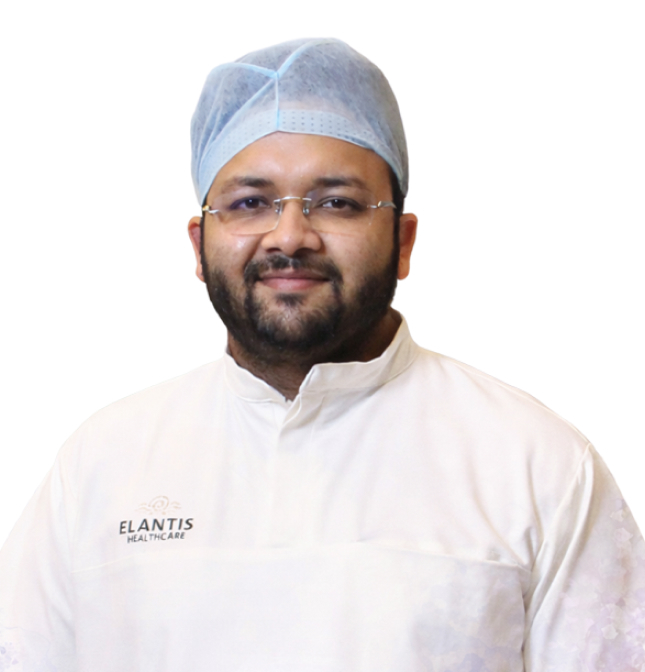
Dr. Anoop Gupta

Dr. Anoop Gupta

Director & IVF Specialist, Delhi IVF & Fertility Research Centre

⭐34+ Years Experience
View Profile
Dr. Aastha Gupta

Dr. Aastha Gupta

Infertility Specialist, Obs & Gynae (Gold Medalist)

⭐15+ Years Experience
View Profile
Mrs. Alka Gupta

Mrs. Alka Gupta

Chief Embryologist, Delhi IVF & Fertility Research Centre

⭐32+ Years Experience
View Profile
Dr. Mannan Gupta

Dr. Mannan Gupta

MBBS & MS – Obstetrics & Gynaecology, Maulana Azad Medical College

⭐10+ Years Experience
View Profile
Dr. Vinnie Sandhu

Dr. Vinnie Sandhu

MD (Moscow), Obstetrics & Gynaecology

⭐30+ Years Experience
View Profile

Why Patients Choose Delhi IVF for Laser Assisted Hatching

The success of Laser Assisted Hatching depends heavily on the precision and expertise of the embryology laboratory. Creating a microscopic opening in the embryo’s outer shell requires advanced technology, strict quality control, and an experienced team. When performed correctly, the procedure can support embryo implantation without harming the developing embryo.

At Delhi IVF and Fertility Research Centre, Laser Assisted Hatching is carried out by a highly skilled embryology team using state-of-the-art laser technology. Every embryo is assessed individually, and the procedure is recommended only when there is a genuine clinical indication, such as repeated implantation failure, advanced maternal age, frozen embryo transfer, or a thick zona pellucida.

What Our Patients Experience at Delhi IVF

  1. Advanced laser hatching technology for precise and consistent results
  2. Experienced embryology team with decades of hands-on IVF laboratory expertise
  3. Individual embryo assessment before recommending assisted hatching
  4. 25,000+ successful deliveries since 1993
  5. Transparent, evidence-based treatment recommendations
  6. Patients from 66+ countries trust Delhi IVF for advanced fertility care

At Delhi IVF, Laser Assisted Hatching is used thoughtfully and only when it is likely to improve your chances of embryo implantation and pregnancy. Our goal is to provide advanced reproductive technology with honesty, precision, and personalised care.

Our Success Stories

25000 Happy Couples with real stories from Delhi IVF Patients,

google logo
4.5
/5
Based on 1000+ reviews

What our patient's are saying

Updated recently • Verified reviews

I am very happy with my wife by listening news of getting 2 babies in womb after ultrasound. Some time ago we were panicked but now we are very happy. Its a great news for us. We are thankful to Delhi IVF & Fertility Centre.

Manish Gupta
IVF with ICSI

I am so happy to share that my IVF result came positive. Thank you Delhi IVF and Dr Anoop Gupta and Dr Aastha Gupta. The team here is amazing very professional, kind and encouraging. Thank you for giving us hope and happiness truly the best clinic for IVF.

Deepa Kumari
IVF with ICSI

Started with great first initial virtual with Dr Anoop Gupta ,Dr Aastha and team especially Beautiful Preeti ,explained everything perfectly with clear cost of treatment and services provided .Managed to come to the Centre from London in December greeted with nice supportive staff team ,as we had limited time ,all the tests and treatment started quite quickly and continued nicely till the end of.Very impressive experience to be here and feel blessed already Thank you for everything

Navneet Kaur
IUI Procedure

Delhi IVF is the most trusted place, Dr. Anoop Gupta and team, as well as all the staffs are very kind and knowledgeable. Thank you! I got pregnant at first try. I am very happy now. I don't get word to express my feelings and how thankful I am for all Delhi IVF Doctors and staffs.Thank you again.

Angle Thar
Egg Freezing

We are so happy to share that after trying from 11 years we conceived from Delhi IVF in first cycle I am very happy I work in TV9 as a journalist and I came here through reference and then first IVF successful with twins I will recommend everyone to come here for any problem with conceiving.

Rohit Nirwal
IVF with ICSI

Today was my first visit to Delhi IVF centre in srinagar and i felt very good after coming here.The treatment was excellent.I want to tell everyone that if there is any good IVF centre in kashmir.it is only one Delhi IVF centre where Dr.Anoop Gupta provides treatment thank you so much.

Manzoor Paul
IVF with ICSI

My partner and I highly recommend the Dr. Anoop Gupta & his clinic Delhi IVF & fertility centre!!! Our experience was absolutely fantastic; the nurses are very kind, helpful and extremely talented across the whole range from doctors, nurses, and administrators.

Baabul Kumar
IVF with ICSI

I am very happy and my experience with Delhi IVF center is very nice. Now I'll get my 2 baby from the treatment in Delhi IVF. Very good and helpful staff. And I have no words for Dr. Anoop Gupta, he is very kind and well caring.Thank you Dr. Gupta and all staff members.

Ravi Prakash
IVF with ICSI

It's an amazing IVF centre, all doctors and staff are very supportive. We have been trying since a very long time, finally got success, all thanks to Delhi IVF.

Kundan Sinha
Egg Freezing

Very good experience after visiting and meeting with Dr. Anoop gupta ji and his team. Before visiting here we had lost all hopes of conceiving baby but here we got confidance again and successfully gives birth to beautiful princess.

Dinesh Chauhan
IVF with ICSI

I am short of words when it comes to thanking Delhi IVF for what it has given me. I had been trying for 8 yrs and this clinic has given me the best gift ever. The team of doctors led by Dr Gupta and Dr Vinny are very helpful and caring.

Anubha Singh
IVF with ICSI

Dr Gupta is an amazing doctor. I strongly advise to all friends and family who are struggling to become parents. You are assured to have a very satisfying experience and you could faith him fully to make the best result for you.

Rohit Lakra
IVF with ICSI

I am very happy with my wife by listening news of getting 2 babies in womb after ultrasound. Some time ago we were panicked but now we are very happy. Its a great news for us. We are thankful to Delhi IVF & Fertility Centre.

Manish Gupta
IVF with ICSI

I am so happy to share that my IVF result came positive. Thank you Delhi IVF and Dr Anoop Gupta and Dr Aastha Gupta. The team here is amazing very professional, kind and encouraging. Thank you for giving us hope and happiness truly the best clinic for IVF.

Deepa Kumari
IVF with ICSI

Frequently Asked Questions

Q1: What is Laser Assisted Hatching in IVF, and how does it work?

Laser Assisted Hatching uses a precise laser to create a small opening in the outer shell of an embryo before transfer. This makes it easier for the embryo to hatch and implant into the uterine lining, improving chances of a successful pregnancy in specific patient groups.

Q2: Does Laser Assisted Hatching improve IVF success rates?

Yes, but only in specific cases. Research shows a 10% to 15% improvement in clinical pregnancy rates for women with repeated implantation failure, advanced maternal age, frozen embryo transfers, or embryos with a thick zona pellucida. It is not beneficial for all IVF patients universally.

Q3: How much does Laser Assisted Hatching cost in India?

Laser Assisted Hatching in India typically costs between Rs 10,000 and Rs 25,000 as an add-on to an IVF or ICSI cycle. At Delhi IVF, this cost is discussed transparently before your cycle begins and is only recommended when there is a genuine clinical reason for your embryos.

Q4: Who is Laser Assisted Hatching recommended for in IVF?

It is recommended for women with two or more failed IVF cycles, women over 37, embryos with a thick zona pellucida, poor quality or slowly developing embryos, frozen embryo transfer cycles, and women with elevated FSH levels. Your embryologist assesses each embryo individually before recommending it.

Q5: Is Laser Assisted Hatching safe for the embryo?

Yes. When performed by an experienced embryologist using calibrated equipment, Laser Assisted Hatching is safe. The laser targets only the outer shell. The embryo cells inside are completely undisturbed. At Delhi IVF, every procedure is carried out under strict quality controls by our senior embryology team.

Q6: What is the difference between Laser Assisted Hatching and chemical hatching?

Chemical hatching uses an acidic solution to thin the zona pellucida, while laser hatching uses a precise infrared beam. Laser is more accurate, faster, and safer as there is no chemical exposure to the embryo. Most experienced fertility centres, including Delhi IVF, now use only laser-assisted hatching.

Q7: Is Laser Assisted Hatching recommended for frozen embryo transfer?

Yes. Freezing and thawing can cause the zona pellucida to harden, making natural hatching more difficult. Laser Assisted Hatching is frequently recommended for frozen embryo transfer cycles to restore the embryo's ability to hatch effectively and improve the chances of successful implantation after thawing.

Q8: Can Laser Assisted Hatching cause identical twins?

There is a small theoretical possibility that creating an opening in the zona pellucida could allow the embryo to split. However, this is extremely rare in clinical practice and not considered a significant concern with modern laser techniques. Your specialist at Delhi IVF will discuss any specific considerations for your case.

Q9: Does Laser Assisted Hatching work for repeated implantation failure?

Yes. Repeated implantation failure despite good quality embryos is one of the primary indications for Laser Assisted Hatching. A thick or abnormal zona pellucida may be preventing the embryo from hatching. Studies show meaningful improvement in implantation rates for this group when Laser Assisted Hatching is used.

Q10: Will I feel anything during the Laser Assisted Hatching procedure?

No. Laser Assisted Hatching is performed entirely in the embryology laboratory on the embryo before transfer. You will not feel anything at all. The embryo transfer itself is also painless for most patients, takes around 10 minutes, and requires no anaesthesia.

CTA Block Background Image - 6a05d9f6ff967f7763857a08

Find Out if Laser Assisted Hatching is Right for You

Personalized IVF Treatment Based on Your Embryo Quality

Laser Assisted Hatching is not recommended for every patient. At Delhi IVF, we use this technique only when there is a genuine clinical benefit—such as repeated implantation failure, thick zona pellucida, advanced maternal age, or frozen embryo transfer.

Get expert guidance and a customised treatment plan designed to maximise your chances of pregnancy.

Call: +91-9810600235