I am very happy with my wife by listening news of getting 2 babies in womb after ultrasound. Some time ago we were panicked but now we are very happy. Its a great news for us. We are thankful to Delhi IVF & Fertility Centre.
ICSI Treatment in India: Expert Care at Delhi IVF and Fertility Research Centre
When male infertility is the main reason conception is not happening, standard IVF may not always be enough. ICSI (Intracytoplasmic Sperm Injection) is an advanced fertility treatment in which a single healthy sperm is injected directly into an egg, making fertilisation possible even in cases of very low sperm count, poor motility, abnormal sperm shape, or surgically retrieved sperm.
At Delhi IVF and Fertility Research Centre, we have been performing ICSI since 1996, when our team delivered Delhi’s first ICSI baby. With more than 25,000 successful deliveries and decades of experience, our specialists have helped thousands of couples overcome severe male infertility and achieve a healthy pregnancy.
If you have been advised that natural conception or standard IVF may not work due to male factor infertility, ICSI can offer a highly effective solution. At Delhi IVF, every treatment plan is personalised to maximise your chances of success while providing honest guidance and compassionate care throughout the journey.
Book Your Free ICSI Consultation
Struggling with Male Infertility?
Get expert guidance from Delhi IVF, pioneers of ICSI treatment in India. Our fertility specialists will review your reports, explain your options, and create a personalised treatment plan to help you achieve pregnancy.
Call Now: +91-9810600235
What is ICSI Treatment?
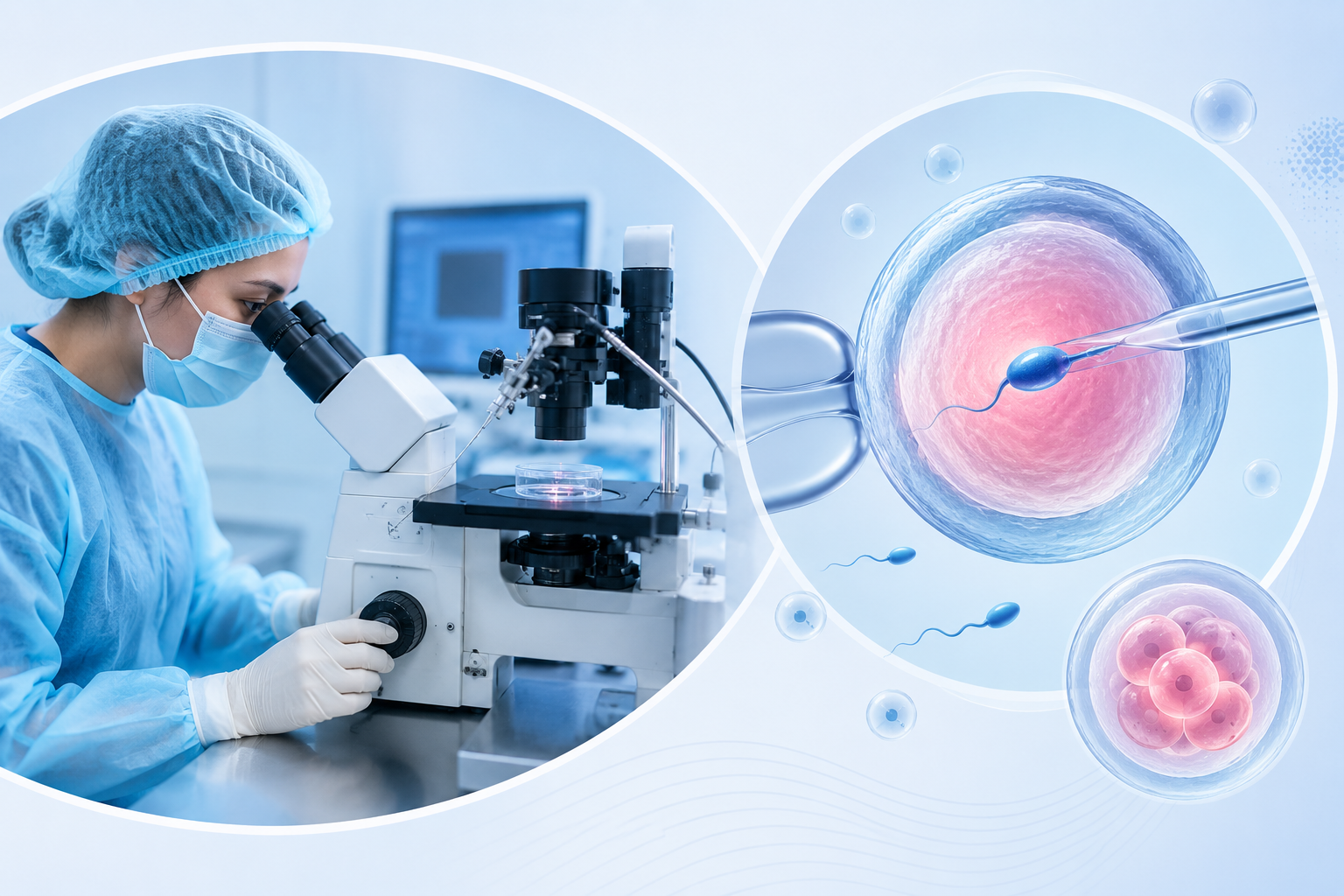
ICSI stands for Intracytoplasmic Sperm Injection. In simple terms, a single healthy sperm is selected and injected directly into a single egg using a very fine needle. Fertilisation happens in the laboratory under controlled conditions.
Think of it like this. In standard IVF, thousands of sperm compete to fertilise the egg naturally. In ICSI, the embryologist does that final step manually. One sperm. One egg. One precise injection. This makes ICSI the most effective solution when sperm cannot fertilise an egg on their own.
Once fertilisation is confirmed, the embryo develops over three to five days and is then transferred into the uterus. The rest of the process follows the same path as a standard IVF cycle.
Who is ICSI Treatment For?
ICSI is recommended when male infertility is severe or when standard IVF fertilisation has previously failed. At Delhi IVF, our specialists assess every case individually before recommending ICSI.
Male Conditions We Treat with ICSI
Severe Low Sperm Count (Severe Oligospermia): When the sperm count is extremely low, there are simply not enough sperm to fertilise an egg through standard IVF. ICSI solves this by requiring just one viable sperm per egg.
Zero Sperm Count (Azoospermia): Azoospermia means no sperm is found in the ejaculate. This does not always mean no sperm exists. In many men, sperm can be surgically retrieved directly from the testis through procedures like TESA (Testicular Sperm Aspiration) or MESA (Microsurgical Epididymal Sperm Aspiration). The retrieved sperm is then used for ICSI. Think of it as finding sperm at the source rather than waiting for it to appear.
Poor Sperm Motility (Asthenospermia): Sperm that cannot swim properly will never reach an egg naturally. In ICSI, motility becomes less critical because the embryologist selects and delivers the sperm directly.
Abnormal Sperm Shape (Teratospermia): When the majority of sperm have an abnormal shape, fertilisation through natural means or standard IVF is unlikely. ICSI allows the embryologist to select the best available sperm regardless of the overall morphology figures.
Previous Failed Fertilisation with Standard IVF: If a previous IVF cycle resulted in poor or zero fertilisation, ICSI is recommended for the next attempt. It removes the barrier that prevented fertilisation in the first cycle.
Anti-Sperm Antibodies: In some men, the immune system produces antibodies that attach to sperm and block their function. ICSI bypasses this problem entirely.
When ICSI is Combined with Sperm Retrieval
For men with azoospermia or ejaculation failure, Delhi IVF offers surgical sperm retrieval through TESA, MESA, or TESE. Sperm is retrieved directly from the testis or epididymis and used fresh on the same day or frozen for a future cycle.
Other Indications for ICSI
- Couples undergoing PGT (Preimplantation Genetic Testing) to screen embryos before transfer
- Men who have had a vasectomy and wish to father a biological child
- Couples with a history of repeated IVF failure where fertilisation was the issue
- Men with retrograde ejaculation, where sperm is retrieved from urine
To know about the difference between ICSI and IVF: How They Differ and Which One You Need
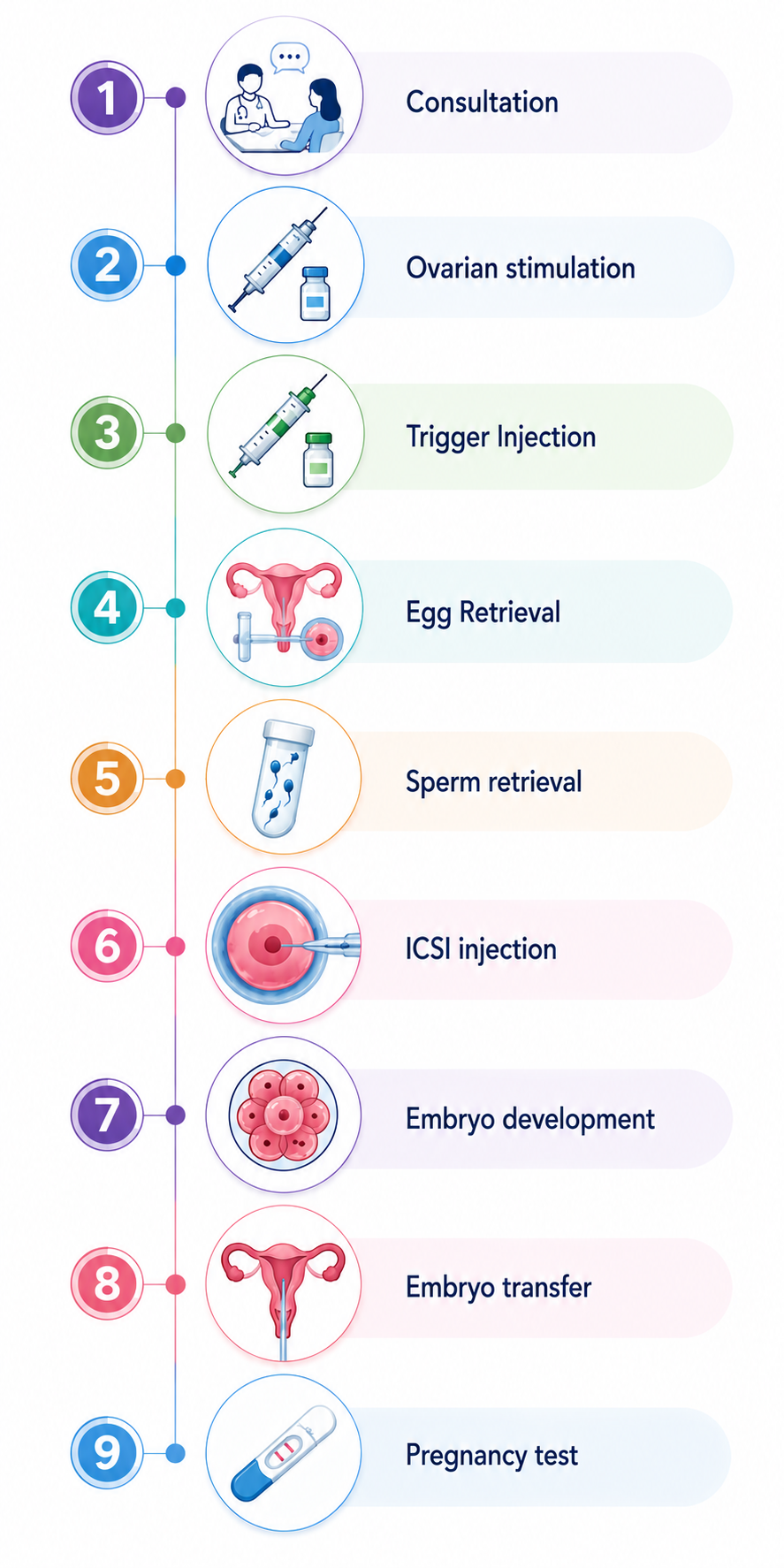
The ICSI Process at Delhi IVF: Step by Step
The ICSI cycle follows the same overall structure as IVF, with the key difference happening in the laboratory at the fertilisation stage.
Step 1: Consultation and Assessment
Your first appointment at Delhi IVF includes a full fertility review. For ICSI, this involves a detailed semen analysis, hormone tests, and an ultrasound for the female partner. If sperm retrieval is required, the urologist will assess the male partner separately. Your specialist explains every step and gives you a clear picture of your options before you commit.
Step 2: Ovarian Stimulation
The female partner receives daily hormone injections for 10 to 14 days to stimulate the ovaries to produce multiple eggs. Progress is tracked with regular ultrasound scans and blood tests.
Step 3: Trigger Injection
When follicles reach the right size, a trigger injection is given to prepare the eggs for final maturation. Egg retrieval is scheduled 34 to 36 hours later.
Step 4: Egg Retrieval
Eggs are collected under mild sedation using an ultrasound-guided needle. The procedure takes 20 to 30 minutes. You rest for a few hours and go home the same day. Mild bloating and cramping are normal and settle quickly.
Step 5: Sperm Collection or Retrieval
On the same day as egg retrieval, the male partner provides a fresh semen sample. If no sperm is present or the sample quality is too poor to use, surgical sperm retrieval (TESA or MESA) is performed by our specialist urologist at Delhi IVF. Frozen sperm from a previous retrieval can also be used.
Step 6: The ICSI Procedure in the Laboratory
This is where ICSI differs from standard IVF. Under a high-powered microscope, our embryologist at Delhi IVF individually selects the best available sperm and injects one directly into each mature egg using an extremely fine glass needle. Results are confirmed within 16 to 18 hours.
Step 7: Embryo Development and Selection
Fertilised eggs develop into embryos over three to five days. Our embryology team monitors each embryo carefully. The best quality embryo is selected for transfer. Additional good-quality embryos are frozen for future use, so nothing is wasted.
Step 8: Embryo Transfer
The selected embryo is placed into the uterus through a thin catheter. It takes about 10 minutes, requires no anaesthesia, and is painless for most patients.
Step 9: Luteal Support and Pregnancy Test
Progesterone medication supports the uterine lining during the two-week wait. A blood test 14 days after transfer confirms whether pregnancy has occurred. If positive, an ultrasound is arranged two weeks later to confirm a healthy pregnancy and heartbeat.
Low Sperm Count Is Not the End of Your Parenthood Journey
Even men with very low sperm count or zero sperm count can become biological fathers with advanced ICSI treatment. At Delhi IVF, our experienced team has helped thousands of couples overcome severe male infertility.
Call: +91-9810600235
ICSI Success Rates: What to Realistically Expect
ICSI fertilisation rates are consistently high. In most cases, 60% to 80% of injected eggs fertilise successfully using ICSI, compared to lower rates with standard IVF when sperm quality is poor.
Overall pregnancy rates per ICSI cycle follow the same pattern as IVF:
- Women under 35: 40% to 50% per cycle
- Women aged 35 to 37: 30% to 40% per cycle
- Women aged 38 to 40: 20% to 30% per cycle
- Women over 40: 10% to 20% per cycle
What Affects Your ICSI Success Rate
Egg quality is the primary factor. Younger women with good egg quality have the best outcomes. Age affects egg quality more than any other variable.
Sperm DNA integrity also matters. Even if sperm count is sufficient for ICSI, high levels of sperm DNA fragmentation can reduce fertilisation rates and embryo quality. At Delhi IVF, sperm DNA fragmentation testing is available and recommended in certain cases.
Embryo quality and development to the blastocyst stage (Day 5) before transfer is associated with better implantation rates than Day 3 transfers.
Uterine health plays a role in whether the embryo implants successfully. Conditions like polyps, fibroids, or a thin lining can affect outcomes and are assessed and treated before transfer at Delhi IVF.
At Delhi IVF, your specialist gives you a personalised success estimate based on your individual results, not a generic figure.
ICSI Treatment Cost in India
In India, ICSI is typically priced as an add-on to a standard IVF cycle. The additional cost for ICSI is usually between Rs 15,000 and Rs 30,000 on top of the base IVF cycle cost of Rs 1,00,000 to Rs 2,00,000.
Additional Costs to Consider
- Surgical sperm retrieval (TESA or MESA) if required
- Sperm DNA fragmentation test
- Embryo freezing and storage
- Frozen embryo transfer (FET) cycle
- PGT genetic testing if embryo screening is needed
At Delhi IVF, all costs are discussed upfront and transparently before your cycle begins. There are no surprise charges mid-treatment.
Real Families. Real Stories.
Our Team
Meet the specialists behind your baby dream
Senior IVF consultants, embryologists and gynaecologists working as one team.

Dr. Anoop Gupta
Director & IVF Specialist, Delhi IVF & Fertility Research Centre

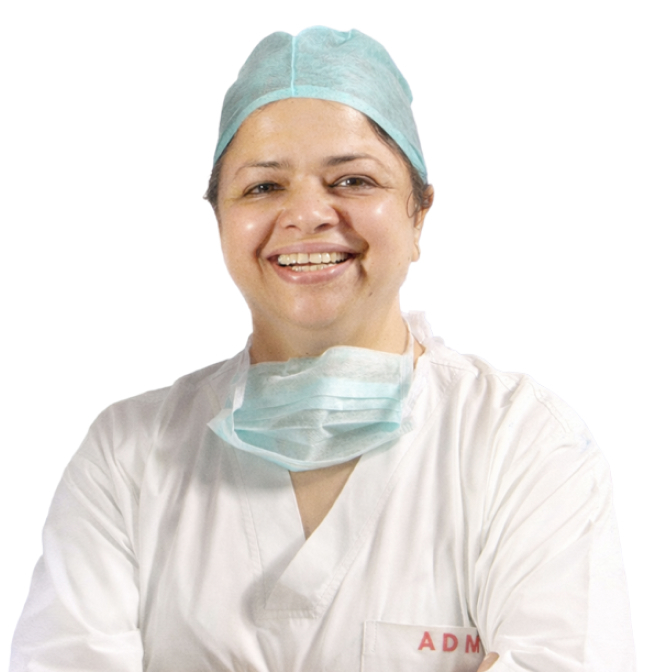
Dr. Aastha Gupta
Infertility Specialist, Obs & Gynae (Gold Medalist)

Mrs. Alka Gupta
Chief Embryologist, Delhi IVF & Fertility Research Centre

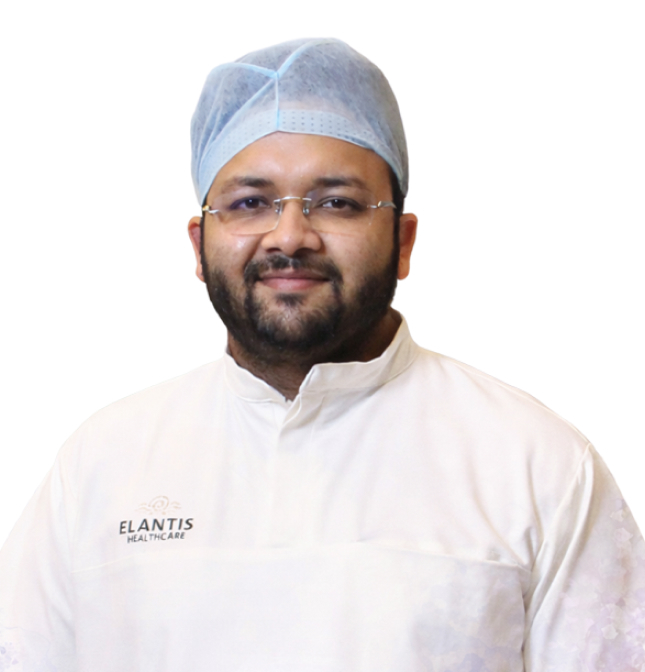
Dr. Mannan Gupta
MBBS & MS – Obstetrics & Gynaecology, Maulana Azad Medical College

Why Patients Across India Choose Delhi IVF for ICSI
Delhi IVF and Fertility Research Centre delivered Delhi's first ICSI baby in 1996. That milestone reflects nearly three decades of refining this technique, making us one of the most experienced ICSI centres in India.
What our patients experience at Delhi IVF:
- 25,000+ successful deliveries since 1993
- Patients from 66+ countries trust Delhi IVF
- Advanced embryology laboratory with the latest ICSI equipment and culture systems
- Complete sperm retrieval programme including TESA, MESA, and TESE under one roof
- Honest, personalised guidance at every step of your treatment
Our Success Stories
25000 Happy Couples with real stories from Delhi IVF Patients,

What our patient's are saying
I am so happy to share that my IVF result came positive. Thank you Delhi IVF and Dr Anoop Gupta and Dr Aastha Gupta. The team here is amazing very professional, kind and encouraging. Thank you for giving us hope and happiness truly the best clinic for IVF.
Started with great first initial virtual with Dr Anoop Gupta ,Dr Aastha and team especially Beautiful Preeti ,explained everything perfectly with clear cost of treatment and services provided .Managed to come to the Centre from London in December greeted with nice supportive staff team ,as we had limited time ,all the tests and treatment started quite quickly and continued nicely till the end of.Very impressive experience to be here and feel blessed already Thank you for everything
Delhi IVF is the most trusted place, Dr. Anoop Gupta and team, as well as all the staffs are very kind and knowledgeable. Thank you! I got pregnant at first try. I am very happy now. I don't get word to express my feelings and how thankful I am for all Delhi IVF Doctors and staffs.Thank you again.
We are so happy to share that after trying from 11 years we conceived from Delhi IVF in first cycle I am very happy I work in TV9 as a journalist and I came here through reference and then first IVF successful with twins I will recommend everyone to come here for any problem with conceiving.
Today was my first visit to Delhi IVF centre in srinagar and i felt very good after coming here.The treatment was excellent.I want to tell everyone that if there is any good IVF centre in kashmir.it is only one Delhi IVF centre where Dr.Anoop Gupta provides treatment thank you so much.
My partner and I highly recommend the Dr. Anoop Gupta & his clinic Delhi IVF & fertility centre!!! Our experience was absolutely fantastic; the nurses are very kind, helpful and extremely talented across the whole range from doctors, nurses, and administrators.
I am very happy and my experience with Delhi IVF center is very nice. Now I'll get my 2 baby from the treatment in Delhi IVF. Very good and helpful staff. And I have no words for Dr. Anoop Gupta, he is very kind and well caring.Thank you Dr. Gupta and all staff members.
It's an amazing IVF centre, all doctors and staff are very supportive. We have been trying since a very long time, finally got success, all thanks to Delhi IVF.
Very good experience after visiting and meeting with Dr. Anoop gupta ji and his team. Before visiting here we had lost all hopes of conceiving baby but here we got confidance again and successfully gives birth to beautiful princess.
I am short of words when it comes to thanking Delhi IVF for what it has given me. I had been trying for 8 yrs and this clinic has given me the best gift ever. The team of doctors led by Dr Gupta and Dr Vinny are very helpful and caring.
Dr Gupta is an amazing doctor. I strongly advise to all friends and family who are struggling to become parents. You are assured to have a very satisfying experience and you could faith him fully to make the best result for you.
I am very happy with my wife by listening news of getting 2 babies in womb after ultrasound. Some time ago we were panicked but now we are very happy. Its a great news for us. We are thankful to Delhi IVF & Fertility Centre.
I am so happy to share that my IVF result came positive. Thank you Delhi IVF and Dr Anoop Gupta and Dr Aastha Gupta. The team here is amazing very professional, kind and encouraging. Thank you for giving us hope and happiness truly the best clinic for IVF.
Frequently Asked Questions
Q1: What is the success rate of ICSI treatment in India?
ICSI fertilisation rates in India are typically 60% to 80% per cycle. Overall pregnancy rates follow IVF patterns: 40% to 50% for women under 35. Success depends on egg quality, sperm DNA integrity, and embryo development. Delhi IVF provides a personalised estimate based on your results.
Q2: How much does ICSI treatment cost in India?
ICSI in India is priced as an add-on to IVF, typically costing Rs 15,000 to Rs 30,000 extra on top of the base IVF cycle. Total treatment cost ranges from Rs 1,15,000 to Rs 2,30,000. Delhi IVF provides full cost transparency before treatment begins.
Q3: What is the difference between IVF and ICSI treatment?
In standard IVF, sperm fertilise the egg naturally in a dish. In ICSI, a single sperm is injected directly into the egg by an embryologist. ICSI is recommended when sperm quality is poor, fertilisation has previously failed, or sperm count is severely low.
Q4: Is ICSI treatment recommended for zero sperm count?
Yes. When no sperm is found in the ejaculate, sperm can often be surgically retrieved from the testis through TESA or MESA. The retrieved sperm is then used for ICSI. Many men with azoospermia successfully father biological children through this combined approach at Delhi IVF.
Q5: Can ICSI treatment help with repeated IVF failure?
Yes. If a previous IVF cycle resulted in poor or zero fertilisation, ICSI is strongly recommended for the next attempt. It removes the fertilisation barrier that caused the earlier failure. Most couples who switch from standard IVF to ICSI see improved fertilisation rates in the following cycle.
Q6: Is ICSI safe for the baby? Are there any risks?
Research consistently shows that babies born through ICSI have no significantly higher risk of birth defects compared to naturally conceived babies. The procedure is widely used and considered safe. Your specialist at Delhi IVF will discuss any specific considerations relevant to your individual case before treatment.
Q7: What is sperm DNA fragmentation, and how does it affect ICSI success?
Sperm DNA fragmentation means the genetic material inside the sperm is damaged. High fragmentation reduces fertilisation rates and embryo quality, even in ICSI cycles. At Delhi IVF, sperm DNA fragmentation testing is available and recommended for men with repeated treatment failure or poor embryo development.
Q8: Can ICSI be performed using surgically retrieved sperm in India?
Yes. When sperm cannot be obtained through ejaculation, it can be retrieved surgically through TESA, MESA, or TESE procedures. Retrieved sperm is used fresh for ICSI on the same day or frozen for a future cycle. Delhi IVF offers all sperm retrieval procedures under one roof.
Q9: What is the difference between ICSI and IMSI treatment?
ICSI selects sperm under standard magnification before injection. IMSI uses very high magnification to examine sperm structure in finer detail before selection. IMSI may improve outcomes in cases with high DNA fragmentation or repeated ICSI failure. Your Delhi IVF specialist will advise whether IMSI is appropriate for your case.
Q10: How many ICSI cycles should I try before considering other options?
Most specialists recommend two to three ICSI cycles before exploring alternatives such as donor sperm or adoption. If fertilisation consistently fails despite ICSI, further investigation into sperm DNA quality or egg factors is warranted. At Delhi IVF, each failed cycle is reviewed in detail before advising next steps.

Start Your Journey to Parenthood with Delhi IVF
With 25,000+ successful deliveries and Delhi’s first ICSI baby in 1996, Delhi IVF is one of India’s most trusted fertility centres for male infertility treatment.
Get Honest Advice. Advanced Treatment. Personalised Care.
Call Now: +91-9810600235